When AI Agents Forget What They Saw: The Goal Drift Problem in Video Research

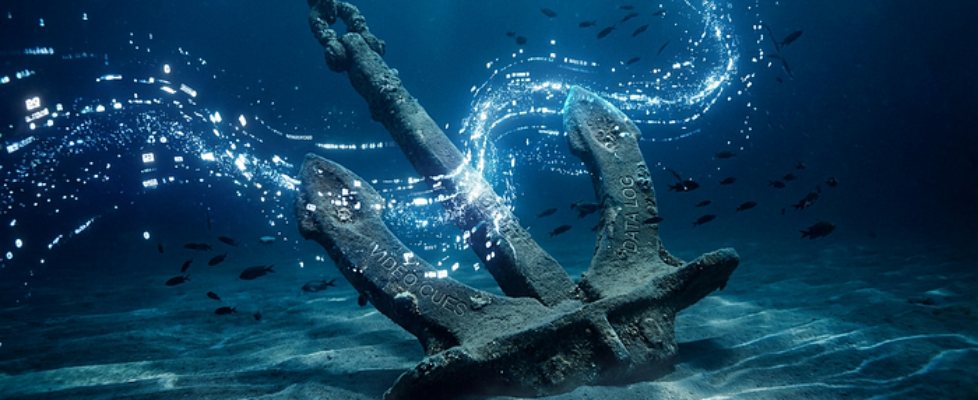
Author(s): Kaushik Rajan Originally published on Towards AI. Why more autonomy doesn’t always mean better performance, and what the first video deep research benchmark reveals about the limits of agentic AI You’re watching a museum tour video. Someone asks: “What’s the registration number of the closest ‘don’t miss’ exhibit to the main entrance?” You’d need to identify which museum it is from visual cues, find that museum’s official visitor guide online, cross-reference the floor map with the recommended exhibits list, and extract the specific catalog number. No single source contains the answer. Credit: Generative AI (Google Nano Banana Pro). Prompted by the author.The article discusses the limitations of Multimodal Large Language Models (MLLMs) in video research, revealing the first benchmark designed to evaluate how these models handle complex questions that require both visual and web-based reasoning. Researchers from multiple institutions found that increasing autonomy in these models does not consistently lead to better outcomes due to challenges in maintaining visual cues during multi-round reasoning and search processes. Their findings suggest the need for more sophisticated AI design to tackle real-world tasks effectively. Read the full blog for free on Medium. Join thousands of data leaders on the AI newsletter. Join over 80,000 subscribers and keep up to date with the latest developments in AI. From research to projects and ideas. If you are building an AI startup, an AI-related product, or a service, we invite you to consider becoming a sponsor. Published via Towards AI
