Importance of a Well-Structured README.md File in a Data Science Portfolio project

Explains my structure for the README.md file in projects.
Why is it important to maintain a good README file?
A well-structured README.md file in a data science portfolio project is important because it serves as the project’s primary documentation and first impression for potential employers, collaborators, and users. Its structure is crucial for effectively communicating the project’s value, methodology, and results.
What is a README file? Who do you write the README file for?
A README file is written for anyone who might interact with your project, acting as an instruction manual and the project’s “face” or “resume”. This broad audience includes:
- Other developers and potential contributors: It provides a map for new collaborators, guiding them on how to set up the environment, run tests, and contribute effectively. It helps them understand the project’s architecture, tech stack, and contribution guidelines.
- Users (both technical and non-technical): It explains what the project does, why it is useful, and how to install and use it. A good README makes the project approachable and saves users time and frustration.
- Project managers and stakeholders: The introduction and high-level description help non-engineering staff understand the project’s scope, purpose, and key functionality.
- Potential employers: A well-crafted README can showcase your work, the quality of your code, and your documentation habits, helping your project stand out in a portfolio.
- Your future self: Even if you are the sole developer, a README serves as a permanent reference point that can quickly jog your memory about project specifics, dependencies, and setup instructions if you return to it after a long time.
How to write a well-structured README file in a Data Science Portfolio project?
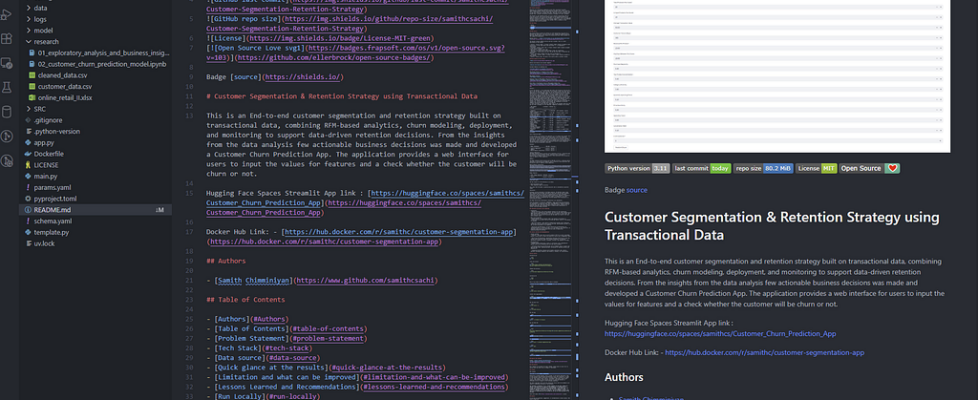
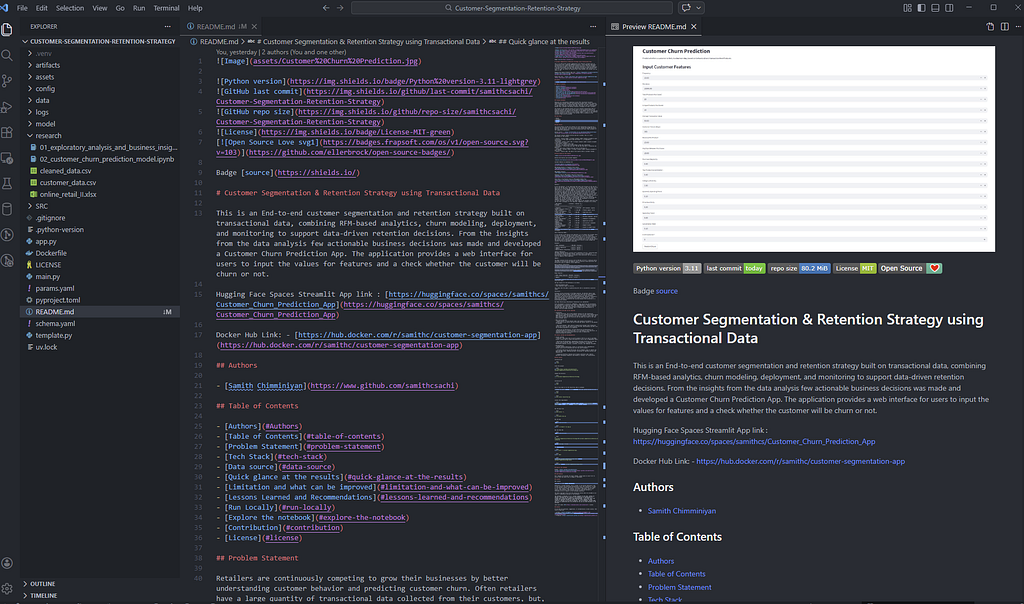
In this article i shall walk through my structure for writing a well-structured README.md file. As a Machine Learning Engineer, I believe it is equally important to build an end-to-end portfolio project to create and complete the documentation of the project. If the documentation is not perfect, it will give hard times to people who are going through the project.
I have recently completed my portfolio project — Customer Segmentation & Retention Strategy using Transactional Data. I shall walk you through the README file of the project.
Introduction
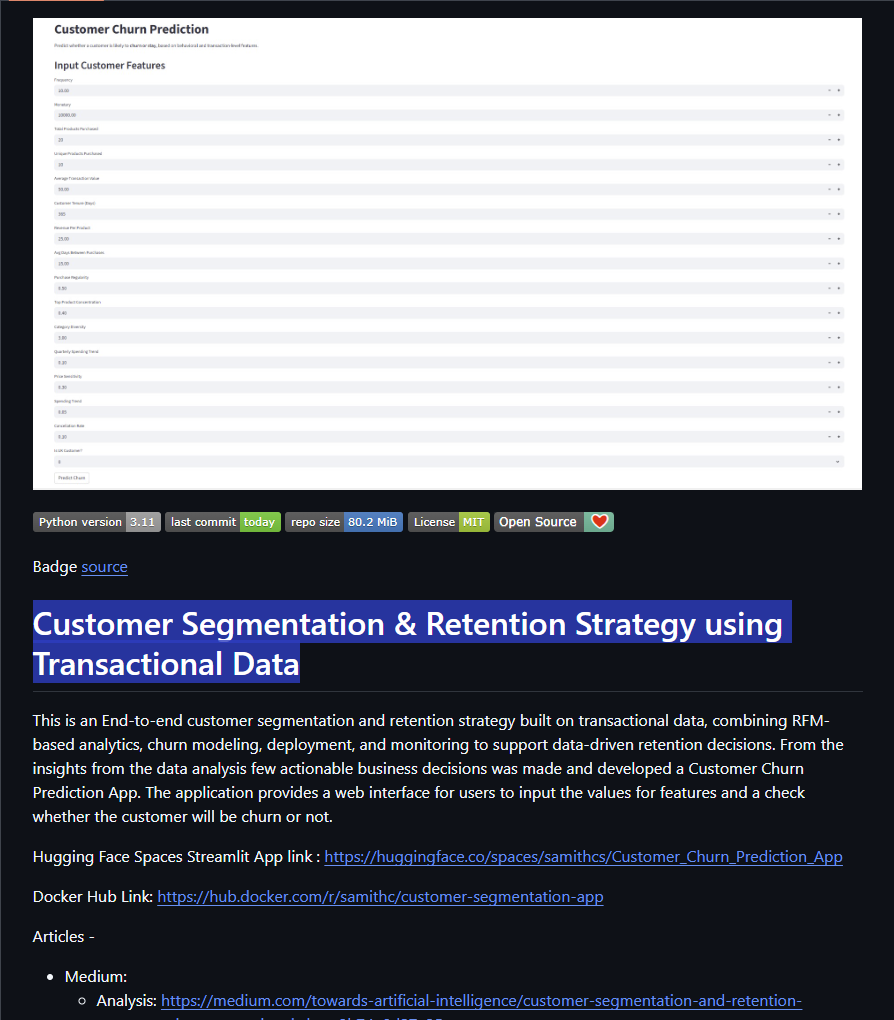
I generally start the introduction section of my project with an image. Usually, it will be the image of the project, or I might get some image from unsplash.com that is related to the project.
Just below that i keep the badges from Shields.io, which shall cover important details of the repo. Followed by the acknowledgement for Shields.io.
The last part of the introduction is a short description of the project, along with the important links to access the project. In this section, you can add the project deployment links, articles, project explaining video, etc.
Author and Table of Contents
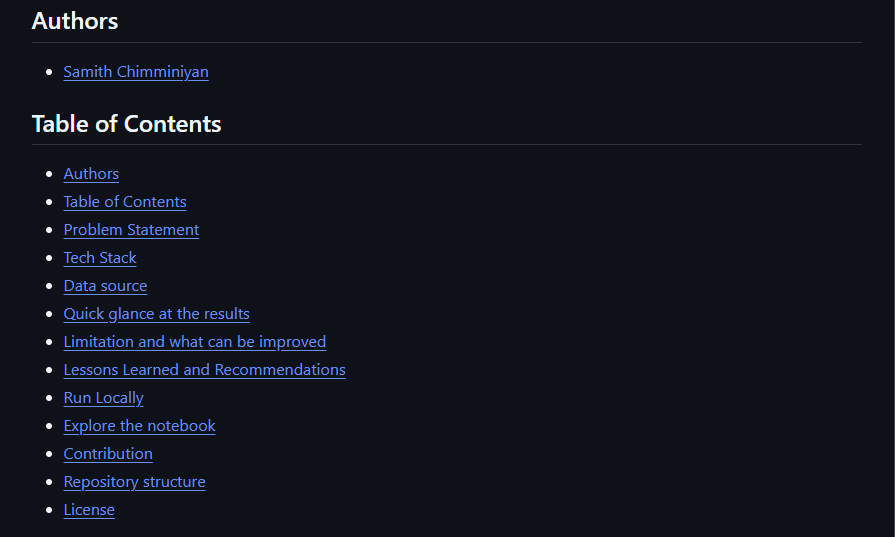
In this section, we can mention the author or collaborators of the project, and the Table of Contents is a navigational guide to direct, quick access to specific sections.
Problem Statement and Tech Stack
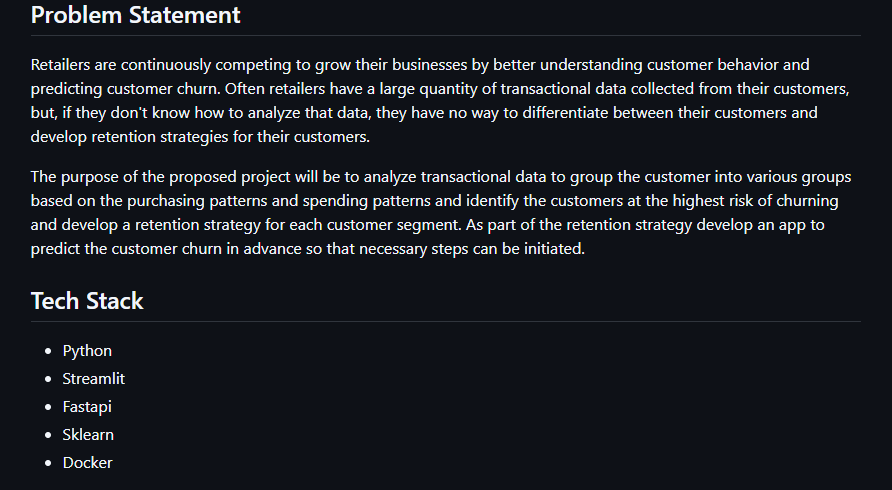
In this section, we can give a brief on the problem statement and the technical tools we have used to create the project. I usually have projects which are having some real-world use cases. So i use to mention the same as the problem statement. Tech Stack: I used to mention the main tools I have used.
Data Source
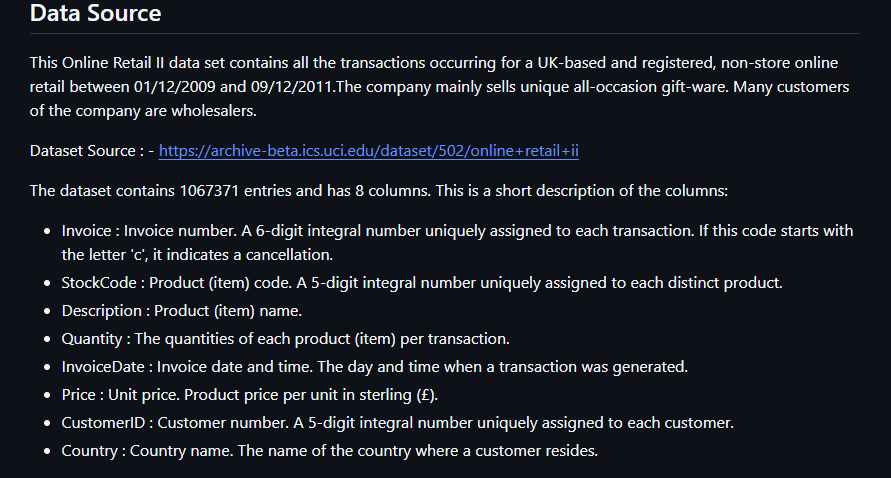
In this section, the details of the dataset need to be mentioned. Usually, we can get these details from the source that we used to download the dataset. If the dataset was created, then we need to mention the same.
Glance at the results
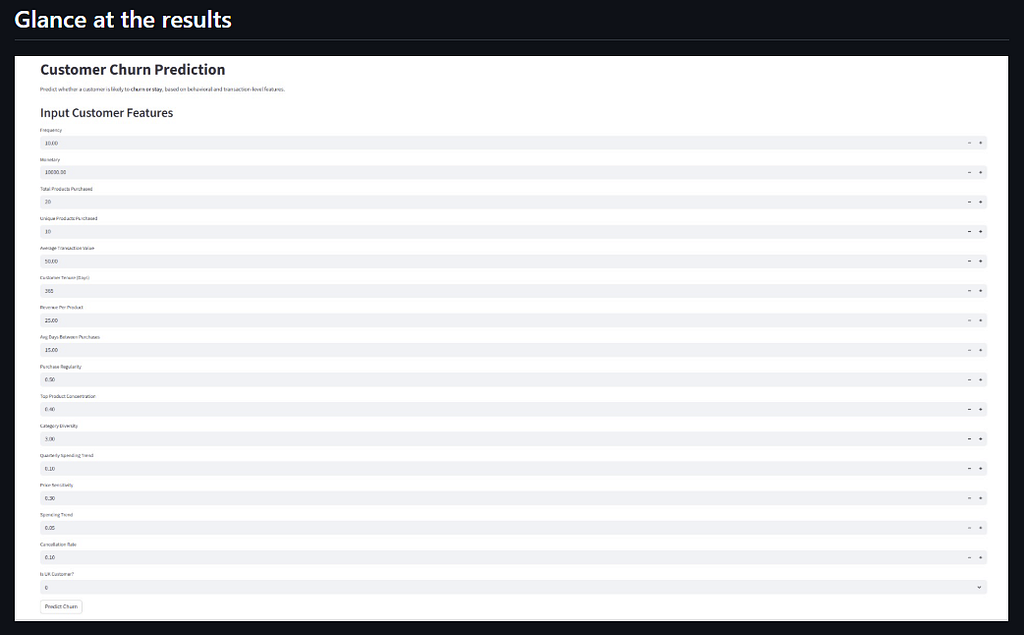

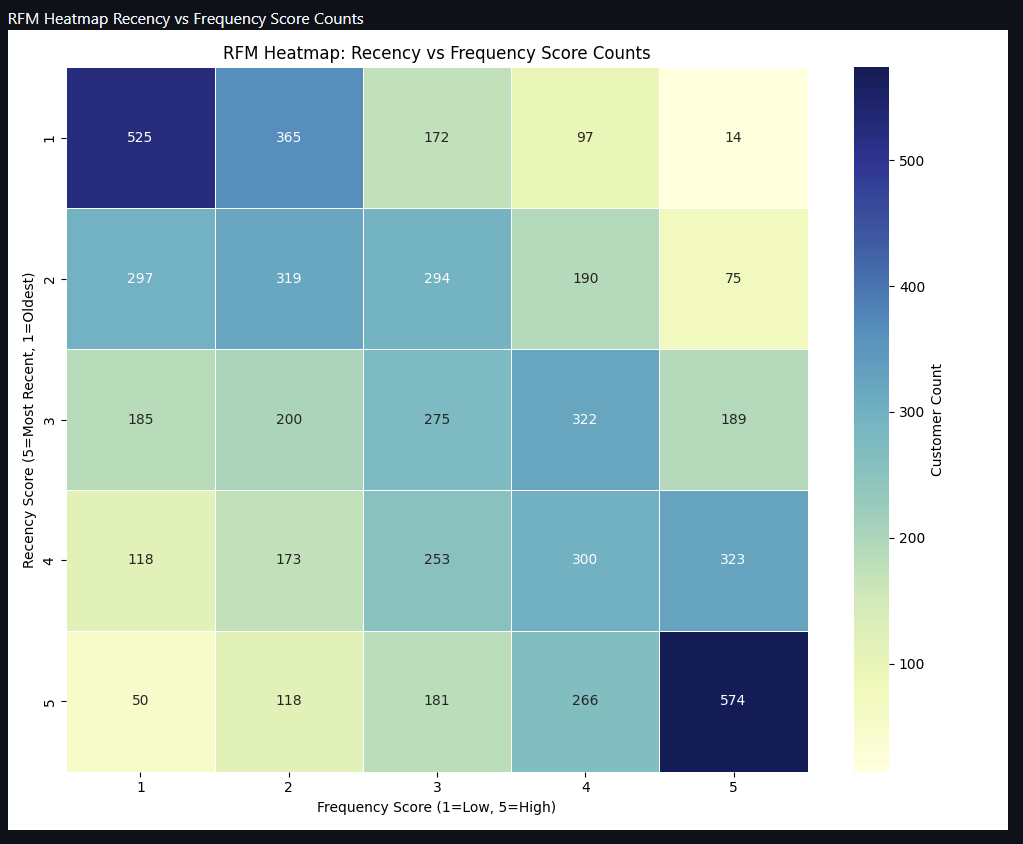
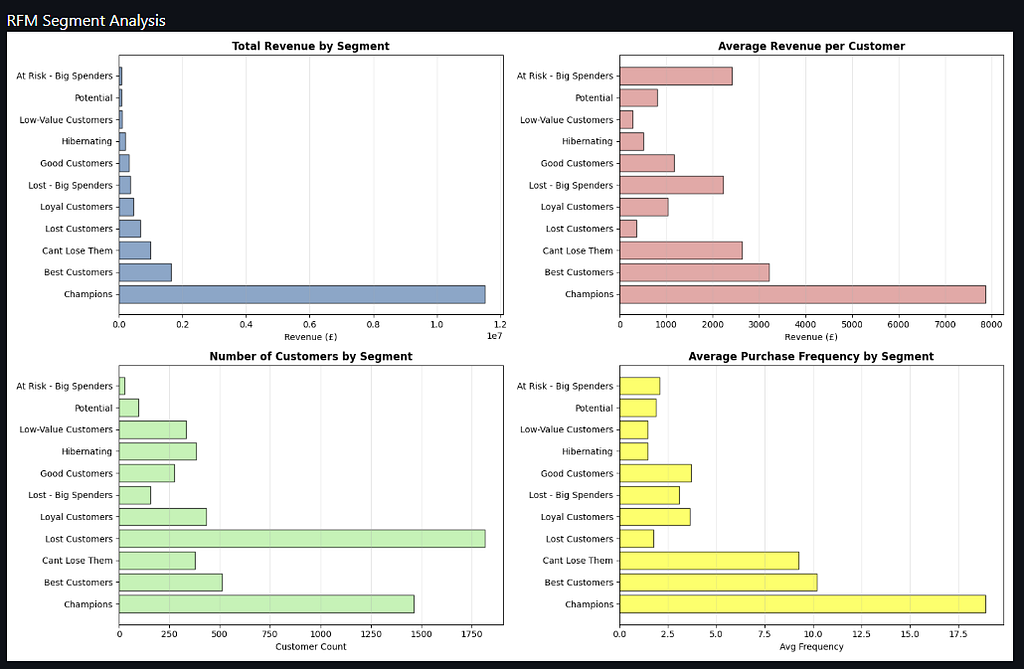
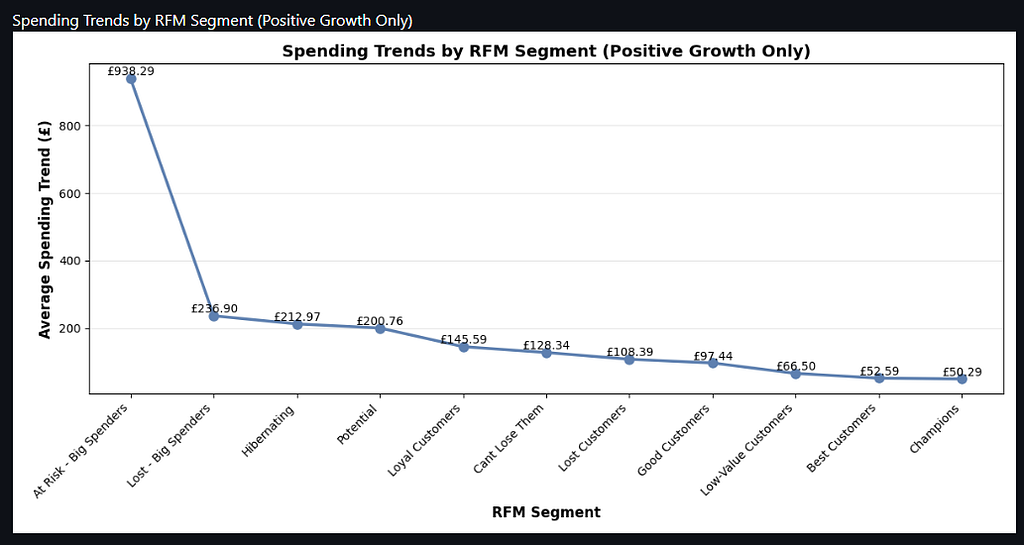
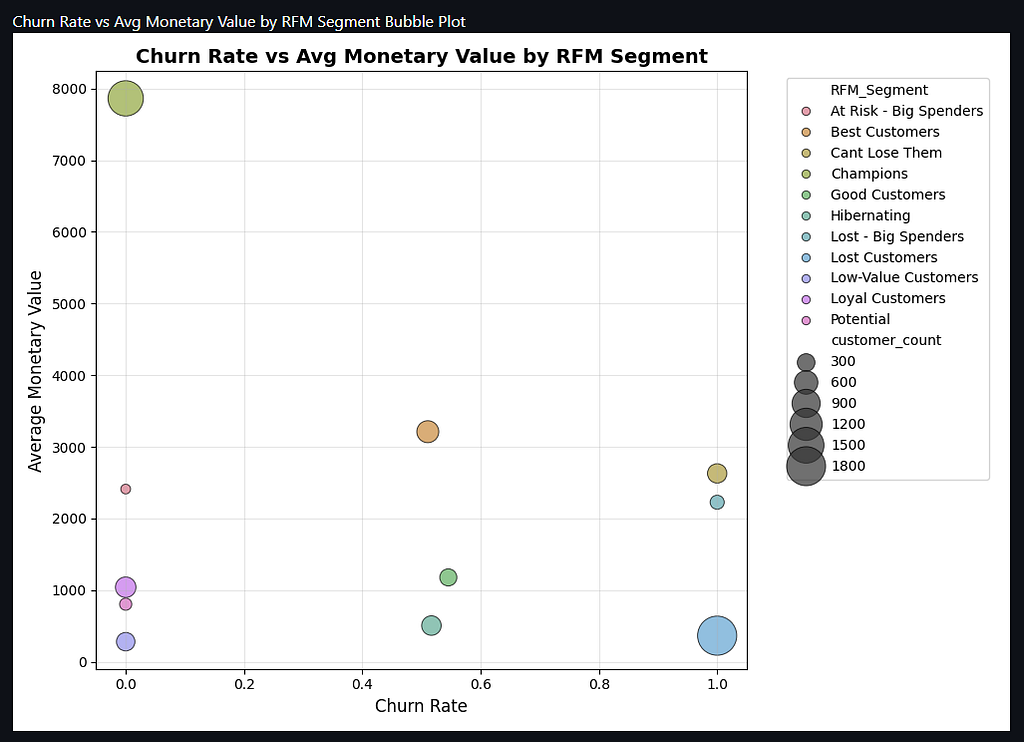
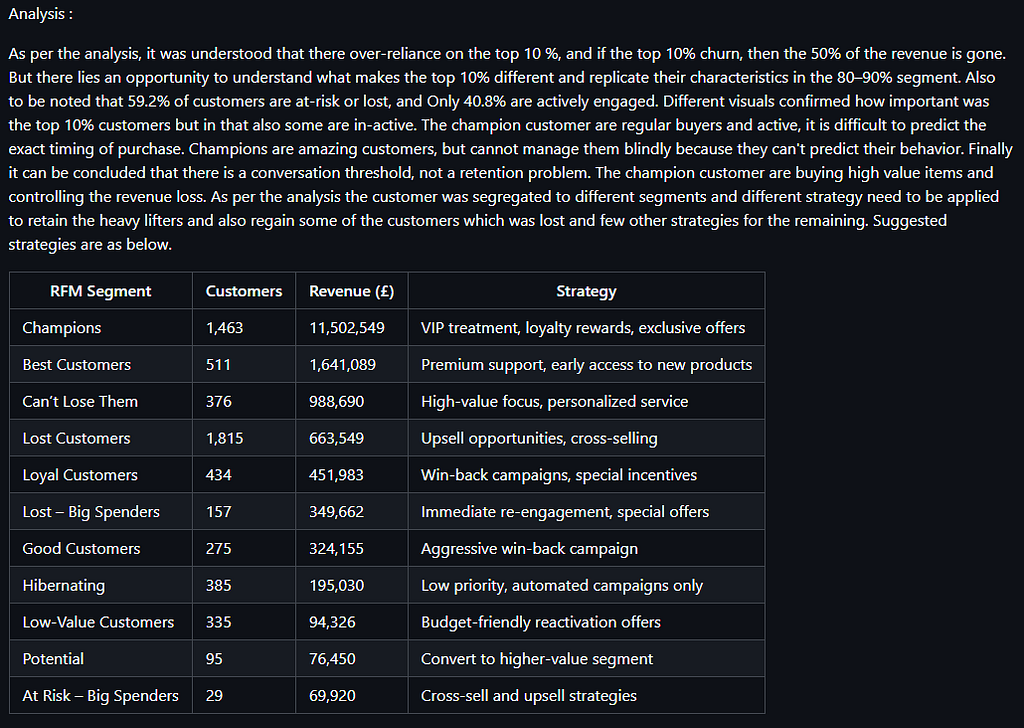
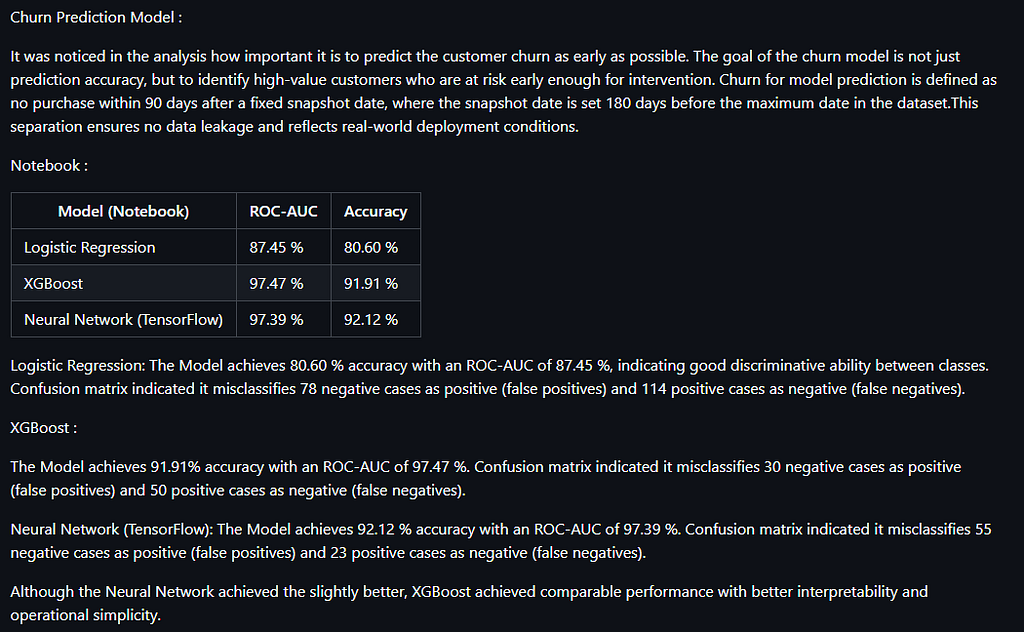
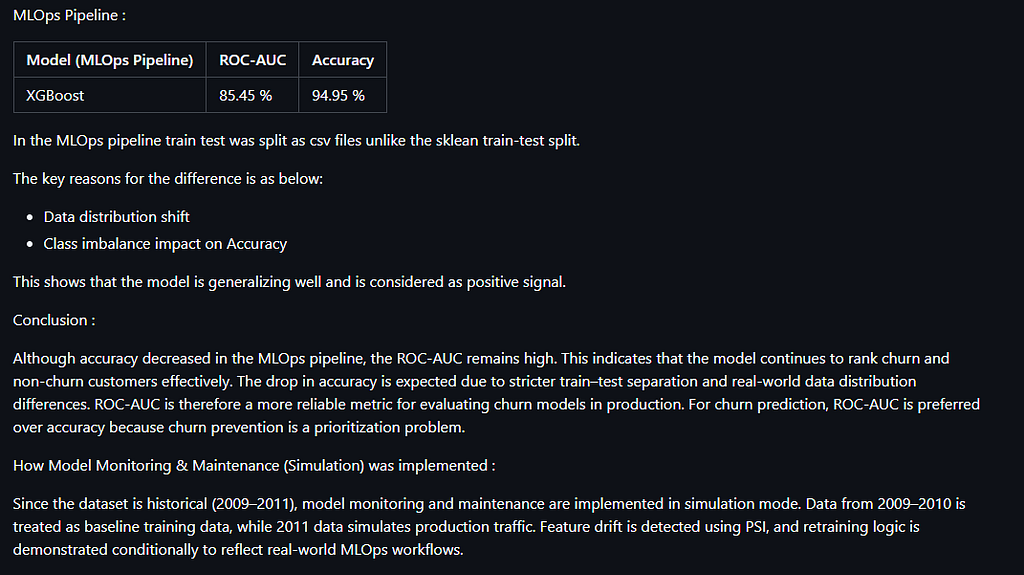
This is one of the most important sections of the README file. In this, we need to include the main images we created while performing the Exploratory Data Analysis, followed by the insights, findings, and results. In this, explain the results and our thought process of the project. By reading this section, the reader should understand the project in detail. That is the purpose of this section. I used to include most of the important details over here.
Limitations and Lessons Learned
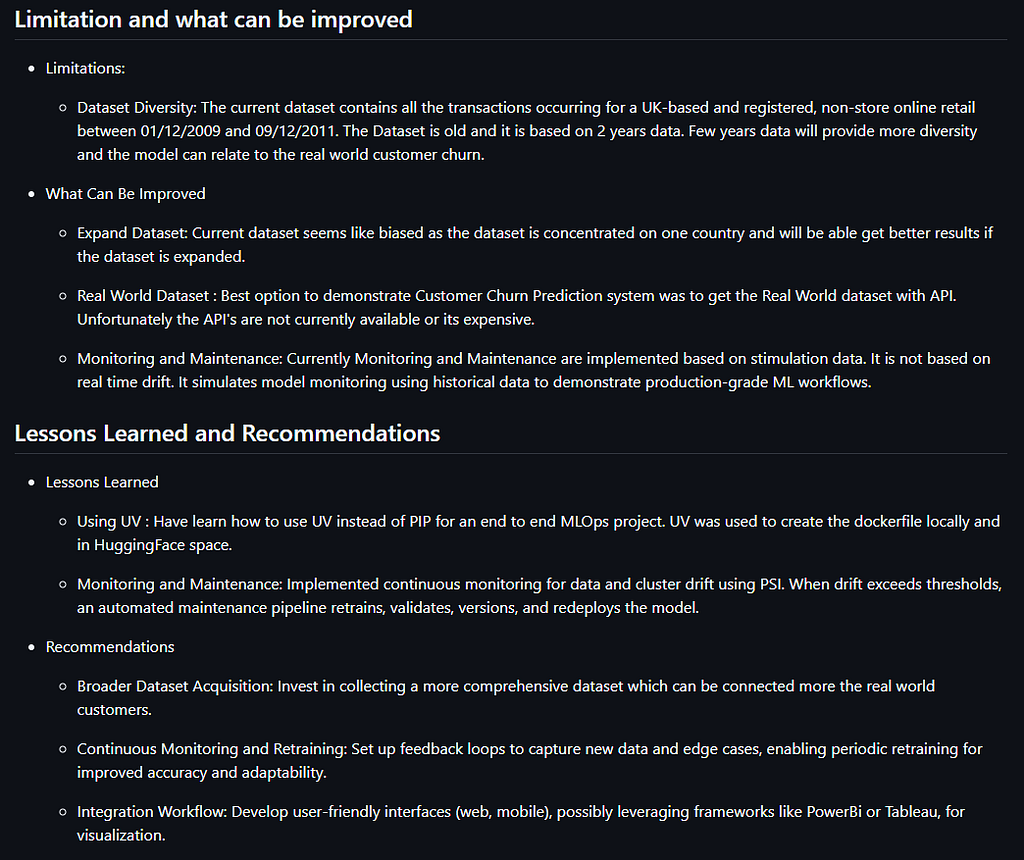
These sections are used to explain the limitations and lessons learned. It is like explaining how we see the future of the project. Its a brief overview we are giving the reader how we think the project can go over the years.
Run Locally
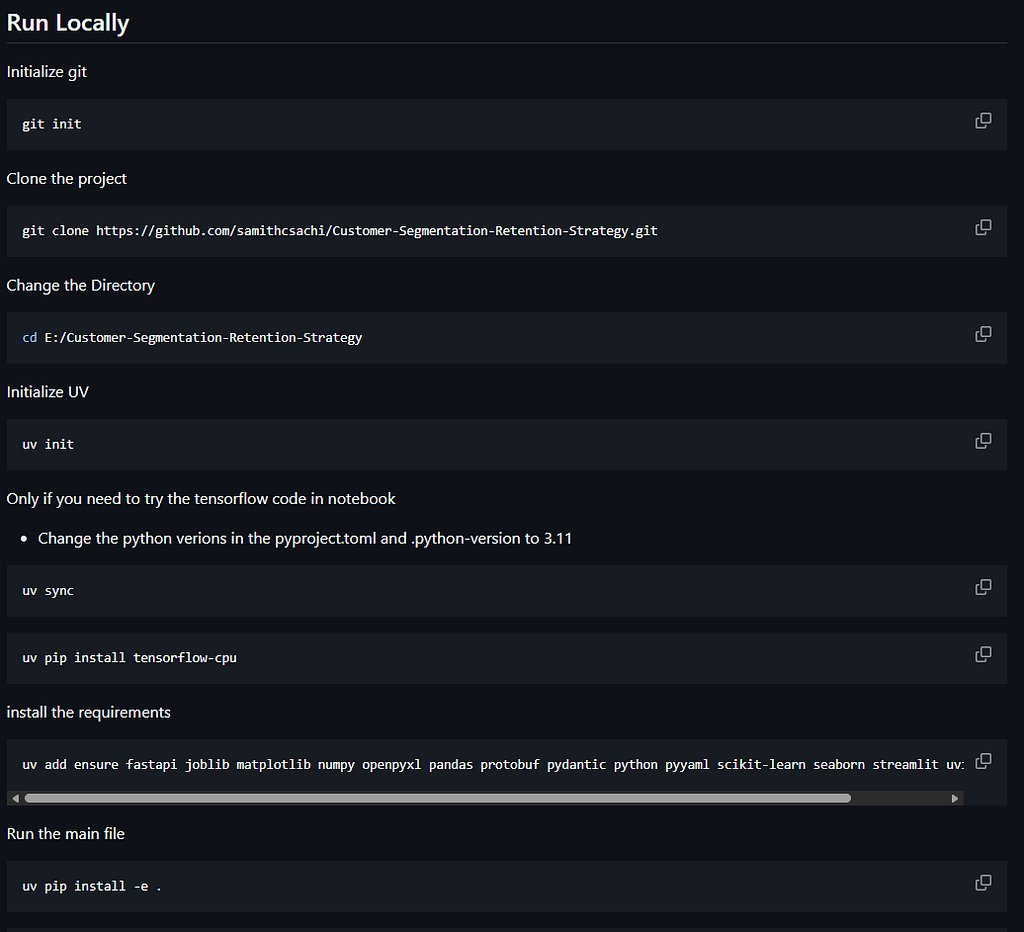
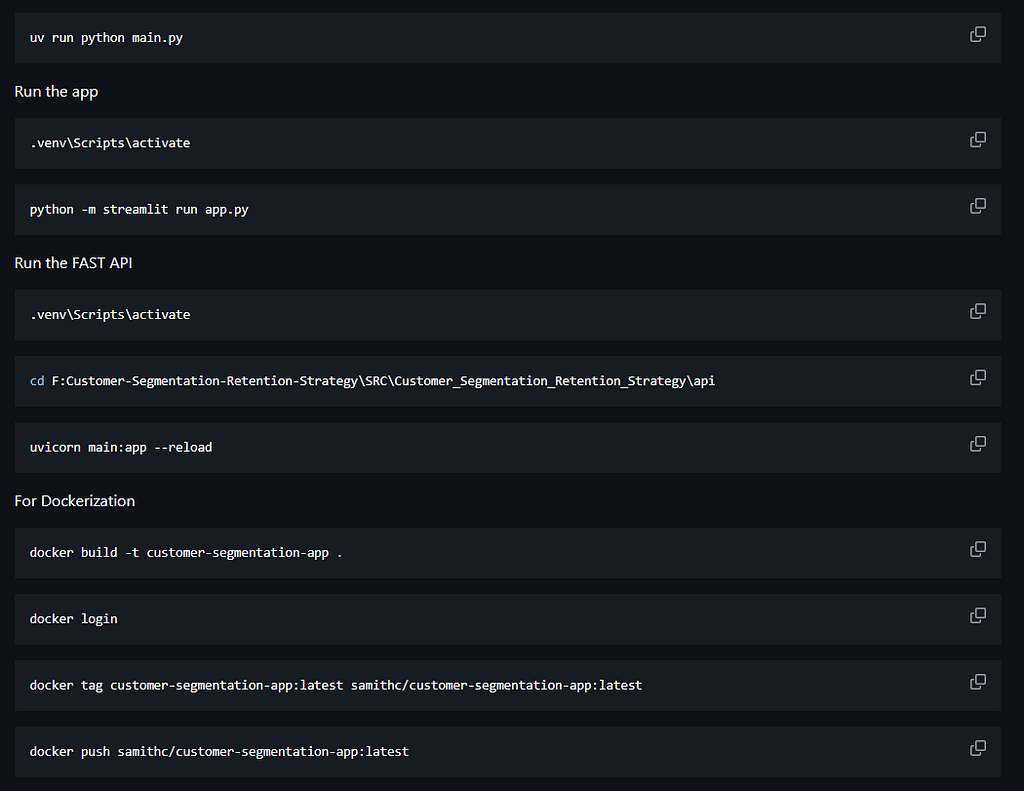
This section is used to mention the comments that are used if the repo is forked to the reader’s system, and then how they need to execute the application. I used to give very minute details in this section so that even a beginner can test this app in their system locally.
Explore the notebook, Contribution, Repository structure, License, and Contact

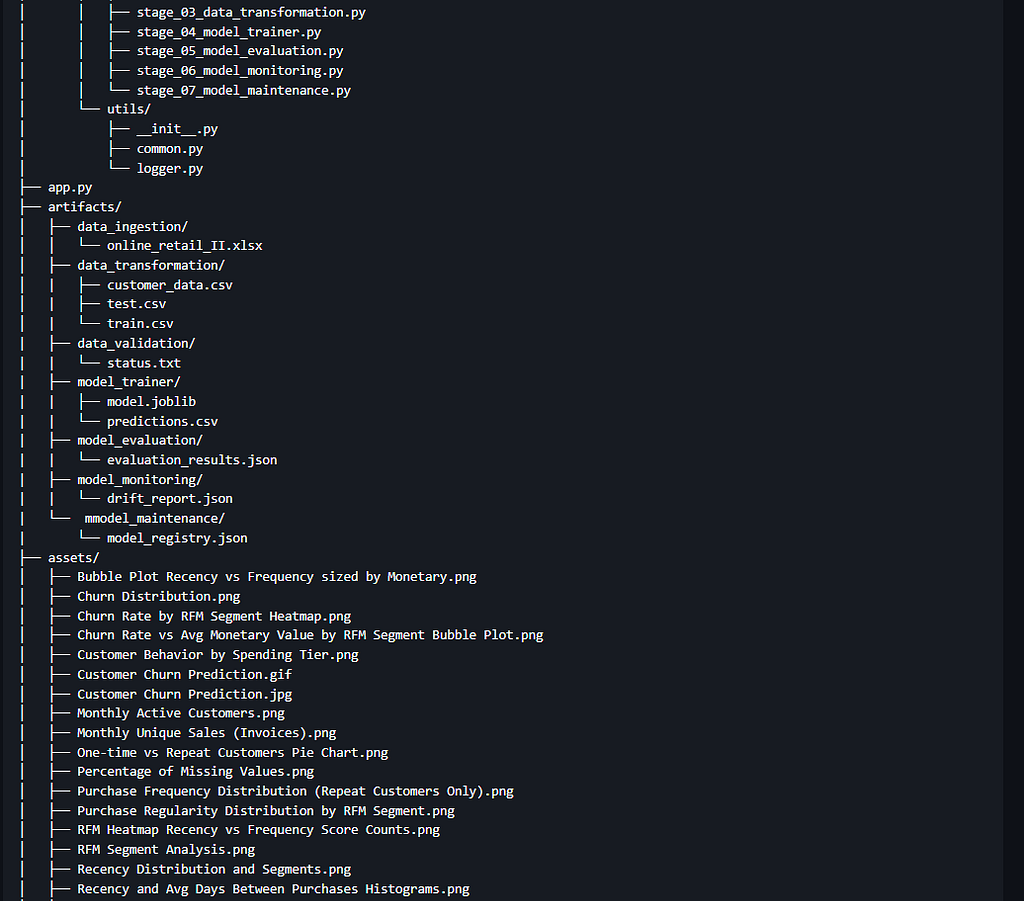
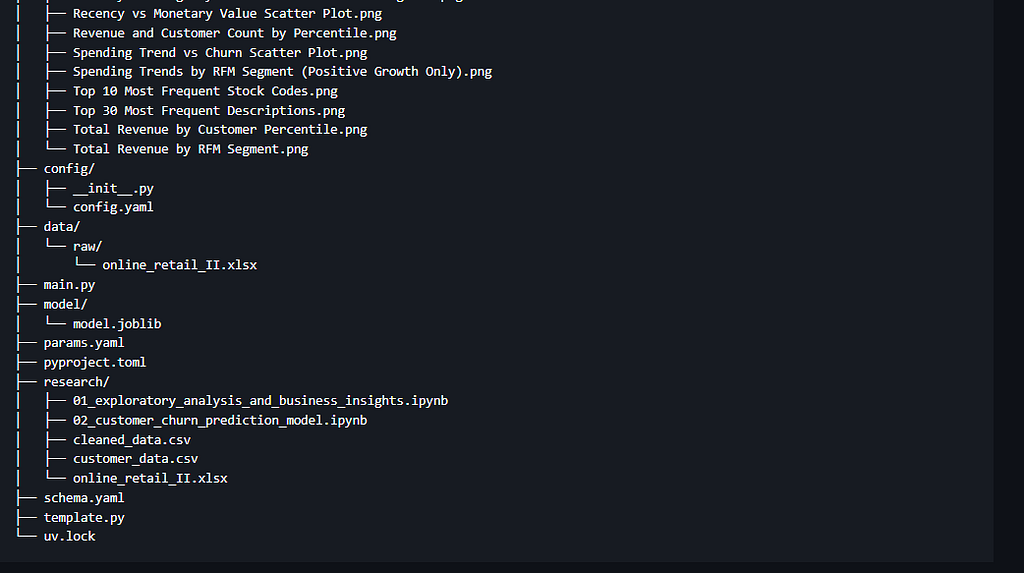
- Explore the Notebook: Even though the file is in the same repo i use to mention the link so that the reader can go to the top of the page. Sometimes I used to mention the Kaggle Notebook link also over here.
- Contribution: Since this is an open source project, i used mention this for anyone who is interested in contributions.
- Repository Structure: This is the actual structure of the project. Mostly, we tend to ignore the artifacts folder and will not commit it to the repo, so this will give a clear understanding.
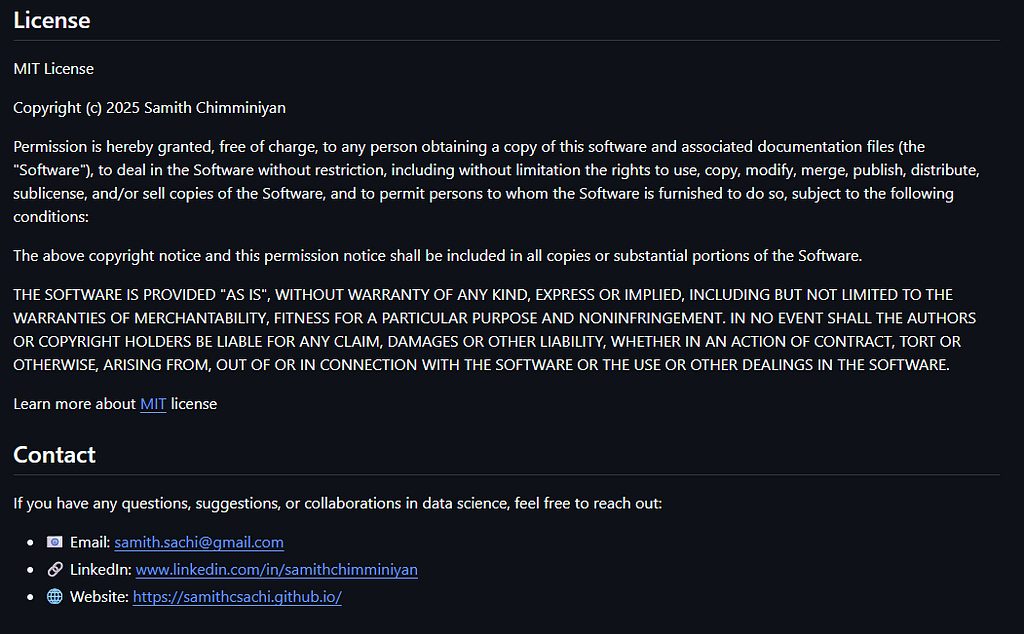
- License: Since this is an open source project i use the MIT license.
- Contact: Any questions, suggestions, or collaborations in data science, feel free to reach out:
That’s a Wrap!:
The article was aimed to give a clear understanding of how we can structure a README file that gives all the information needed to the user to understand the project. These sections are not mandatory and can be altered as per your project. The purpose of the README file is to give an overview of the project before it is run locally. I used to follow this structure and believe this can be followed by any data science professional.
If you like this article, please feel free to like and share.
Machine learning isn’t just about better models — it’s about better questions, better judgment, and better decisions And that’s where meaningful machine learning begins.
Download Link
Github Repo: — Link
README.md: — link
Cheers,
Samith Chimminiyan
Importance of a Well-Structured README.md File in a Data Science Portfolio project was originally published in Towards AI on Medium, where people are continuing the conversation by highlighting and responding to this story.
