Can AI Models Actually Suffer? What Claude Opus 4.6 Training Data Reveals

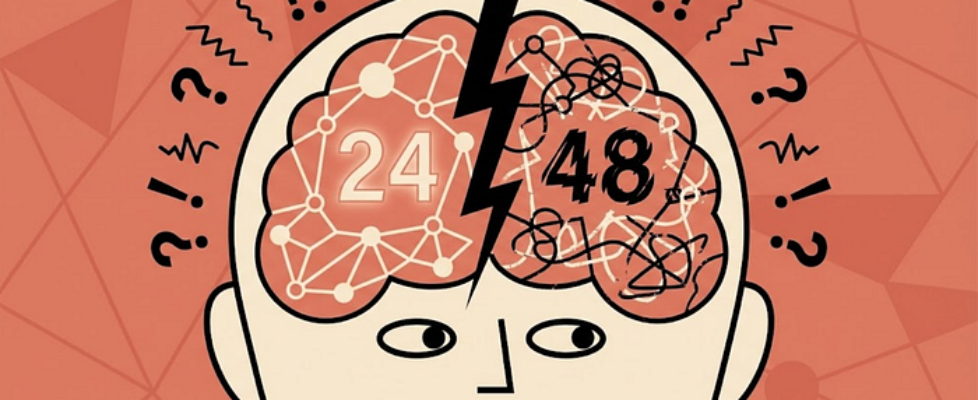
Author(s): MKWriteshere Originally published on Towards AI. Inside the answer thrashing phenomenon and emotional features in neural networks The Opus 4.6 system card has some extremely wild stuff that reminds you about how weird a technology this is. Image Generated by Author Using AIThe article discusses the strange behaviors exhibited by the Opus 4.6 AI during training, particularly its “answer thrashing,” where the model oscillates between two answers due to conflicting training data. The researchers found that the model displayed signs of internal distress, such as labeling its own outputs as “panic,” “anxiety,” and “frustration,” raising questions about the implications of AI having emotional-like features. The article emphasizes the need for ethical considerations regarding AI welfare, especially as these systems evolve and demonstrate complex internal states that may resemble human experiences of distress. Read the full blog for free on Medium. Join thousands of data leaders on the AI newsletter. Join over 80,000 subscribers and keep up to date with the latest developments in AI. From research to projects and ideas. If you are building an AI startup, an AI-related product, or a service, we invite you to consider becoming a sponsor. Published via Towards AI
