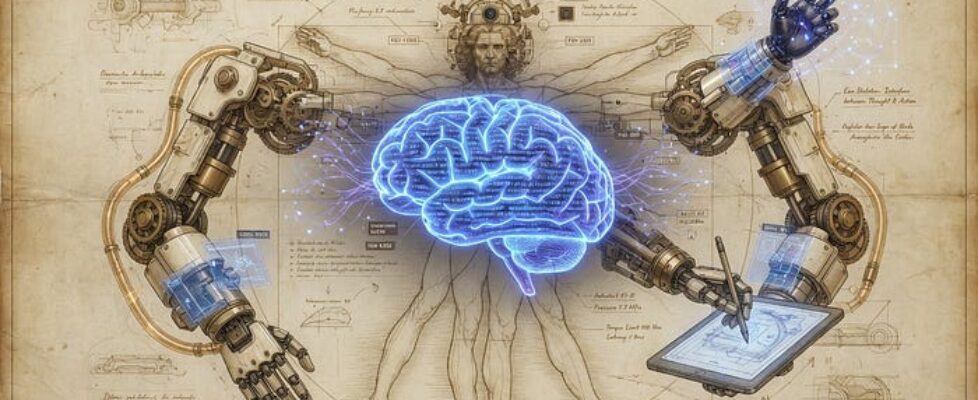
Harness Engineering: The Layer That Matters More Than the Model

Author(s): Can Demir Originally published on Towards AI. Why the same model behaves like a different system depending on what surrounds it — and the anatomy of a good harness For the past two years, almost every conversation in AI has started with the same question: “Which model is best?” Opus or GPT or Gemini? Which one hallucinates less, which one writes cleaner React, which one holds the longest context? After the introduction, the article lays out harness engineering as the missing half of “agent” behavior: an agent is the model plus everything wrapped around it (prompts, tool definitions, loops, state, memory, sandboxes, observability, etc.). It explains why the discipline emerged now as agent frameworks replaced earlier waves like prompt engineering and RAG, and then breaks down the typical harness components—durable state via filesystems/Git, action via bash/code execution, safe execution via sandboxes, continual learning via memory/search, and techniques to fight context rot (compaction, tool-call offloading, and even session resets). It also emphasizes enforced discipline through hooks, argues for debugging by blaming configuration/system design rather than the model (“skill issue” is often harness design), and introduces the “ratchet” approach where mistakes permanently tighten constraints. The essay grounds these ideas with a concrete three-agent architecture example (planner/generator/evaluator), discusses misconceptions such as “better models mean less harness” and “more tools means a more capable agent,” and closes by highlighting the co-evolution of models and harnesses as capabilities change. Ultimately, it reframes AI engineering around system design—shifting the question from “which model should I switch to?” to “which harness component is failing and how do I adjust it?” Read the full blog for free on Medium. Join thousands of data leaders on the AI newsletter. Join over 80,000 subscribers and keep up to date with the latest developments in AI. From research to projects and ideas. If you are building an AI startup, an AI-related product, or a service, we invite you to consider becoming a sponsor. Published via Towards AI
