How to Build the Python Skills That Get You Hired

When you’re learning Python, the sheer volume of topics to explore can feel overwhelming because there’s so much you could focus on. Should you dive into web frameworks before exploring data science? Is test-driven development something you need right away? And which skills actually matter to employers in the age of AI-assisted software development?

By the end of this tutorial, you’ll have:

  • A clear understanding of which Python skills employers consistently look for
  • A personalized Python developer roadmap showing where you are and where you need to go
  • A weekly practice plan that makes consistent progress feel achievable

Python itself is relatively beginner-friendly, but its versatility makes it easy to wander without direction. Without a clear plan, you can spend months studying topics that won’t help you land your first developer job.

This guide will show you how to build a focused learning strategy that aligns with real job market demands. You’ll learn how to research what employers value, assess your current strengths and gaps, and structure a practice routine that turns scattered study sessions into steady progress.

Instead of guessing what to learn next, you’ll have a concrete document that shows you exactly where to focus:

The Python skills worksheet as a table with one row filled out and a link showing on hover

Work through this tutorial to identify the skills you need and set yourself up for success.

Step 1: Identify the Python Skills Employers Value Most

Before you dive into another tutorial or framework, you need to understand what the job market actually rewards. Most Python learners make the mistake of studying everything that sounds interesting. You’ll make faster progress by focusing on the skills that appear in job posting after job posting.

Research Real Job Requirements

Start by opening five to ten current job listings for Python-related positions. Look for titles like Python Developer, Backend Engineer, Data Analyst, or Machine Learning Engineer on sites like Indeed, Stack Overflow Jobs, and LinkedIn. As you read through these postings, highlight the technical requirements that appear repeatedly. You’ll quickly start to notice patterns.

To illustrate, consider a few examples of different roles involving Python:

Despite these differences, nearly every job posting shares a common core. Employers want developers who understand Python fundamentals deeply. They should also be able to use version control with Git, write unit tests for their code, and debug problems systematically. Familiarity with DevOps practices and cloud platforms is often a plus. These professional practices matter as much as knowing any specific framework.

Increasingly, job postings also expect familiarity with AI coding tools like GitHub Copilot, Gemini CLI, Cursor, or Claude Code. Employers want developers who can use these tools productively while maintaining the judgment to review and validate AI-generated code.

Your informal survey will reflect what large-scale research confirms. The Stack Overflow Developer Survey ranks Python as one of the most widely used programming languages across all professional roles. The survey also reveals that Python appears in diverse fields, including finance, healthcare, education, and scientific research.

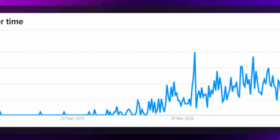
This trend is echoed by the TIOBE Index, a monthly ranking of programming language popularity, where Python consistently appears at or near the top:

TIOBE Index
TIOBE Index

Similarly, LinkedIn’s Workplace Learning Report 2023 named Python as one of the most in-demand technical skills globally. Python’s versatility means that mastering its fundamentals opens doors across multiple career paths.

Understand Different Developer Paths

Python is a phenomenally versatile language. On the one hand, school teachers choose it to help their pupils learn how to program, often starting with fun, visual tools like the built-in turtle graphics module. At the same time, Python runs major platforms like Instagram, plays a role in powering large services such as YouTube, and supports the development of generative AI models. It even once helped control the helicopter flying on Mars!

Read the full article at https://realpython.com/python-skills/ »


[ Improve Your Python With 🐍 Python Tricks 💌 – Get a short & sweet Python Trick delivered to your inbox every couple of days. >> Click here to learn more and see examples ]

Liked Liked