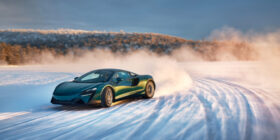
Sideways on the ice, in a supercar: Stability control is getting very good

McLaren provided flights from Washington, DC, to Ivalo, Finland, and accommodation so Ars could drive its car on a frozen lake. Ars does not accept paid editorial content. SAARISELKÄ, FINLAND—If you’re expecting it, the feeling in the pit of your stomach when the rear of your car breaks traction and begins to slide is rather pleasant. It’s the same exhilaration we get from roller coasters, but when you’re in the driver’s seat, you’re in charge of the ride. […]
Like
0
Liked
Liked